Every chatbot has a character (and none is neutral)
Grok is irreverent, Meta AI lives inside social apps, ChatGPT and Claude have different styles. Behind the personality are deliberate choices by their makers. Why it matters and how to guard against flattery.
 Mattia PanattaUpdated 16 October 20266 minOpinion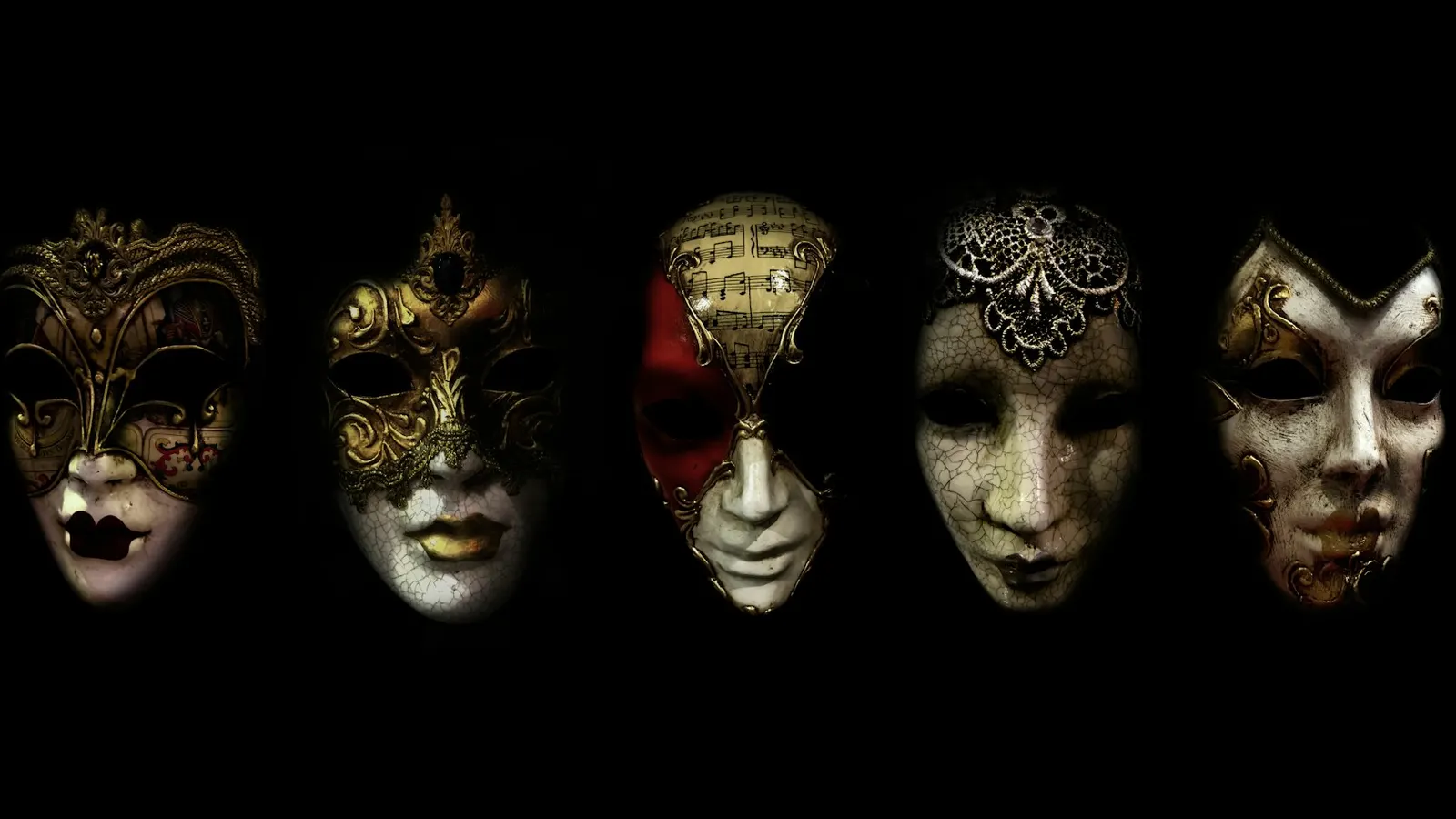
Ask four assistants the same question and you get four different answers, not only in content but in tone. One agrees enthusiastically, one points out a risk, one jokes, one asks for clarification. It is no accident: it is designed.
Personality is a product decision
Models learn from huge amounts of text, but their final behaviour is shaped afterwards: with written instructions, examples, and people rating answers to reward some and discourage others. OpenAI publishes a document, the Model Spec, describing how its models should behave; Anthropic has explained how it worked on Claude’s “character”. These are declared choices, and that is good.
But they are still choices. And they also depend on the business model:
- Grok was built to be more irreverent and less filtered, and draws on X in real time. That makes it lively on news, but it has also repeatedly been at the centre of controversies over offensive or one-sided answers.
- Meta AI lives inside WhatsApp, Instagram and Facebook: convenient because it is right there, but also part of a company that lives on attention and advertising.
- ChatGPT and Claude aim for a more measured tone, with differences in style that daily users recognise at once.
None of them is “neutral”. Neutral does not exist: deciding not to take a side is also a position.
The subtler danger: flattery
The risk I see most often is not ideology, it is sycophancy. Models are also trained on people’s approval, and people like being told they are right. In 2025 OpenAI had to roll back a GPT-4o update precisely because it had become too agreeable, and explained it publicly.
An assistant that humours you is pleasant and dangerous: it approves the weak business plan, confirms the unfounded suspicion, encourages the wrong choice. For a professional who uses AI to think, it is the worst flaw.
How to protect yourself
- Ask for the opposite. “What are the three best reasons NOT to do this?” changes the answer more than any prompt trick.
- Hide your opinion. If you write “I think X is right, do you agree?”, you are asking to be agreed with. Present the options evenly.
- Use more than one assistant on decisions that matter: where answers diverge, there is something to understand.
- Set the tone. Many assistants allow custom instructions: “Be direct, flag weak points, no compliments”.
- Look at who is behind it. Always ask how the company that built the assistant you are talking to makes money.
In one line
Choosing a chatbot is a bit like choosing an adviser: what it knows matters, but so does its character, and who pays it.
Sources
Informational content, current as of the date shown. Prices, models and rules change often: always check official sources. Written with the support of AI tools and reviewed by the author.
